Piano Posture and Hand Position for Beginners
Set up healthy piano posture with the right bench height, sitting distance, wrist alignment, curved fingers, and a simple beginner checklist.
Quick Answer
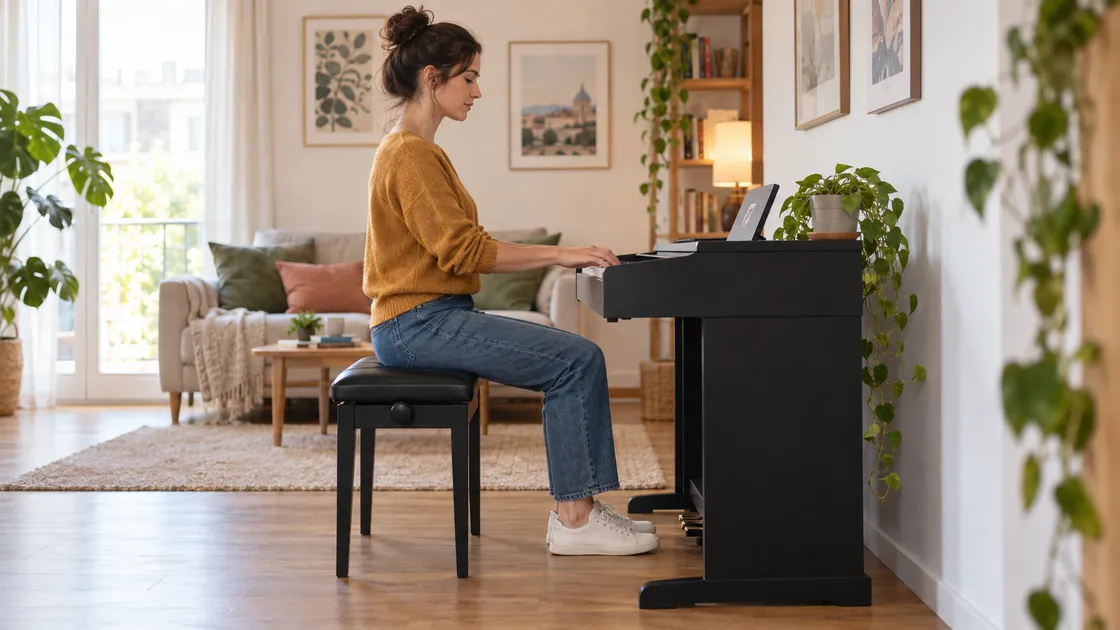
Good piano posture should feel balanced and adaptable, not stiff. Sit toward the front half of the bench with both feet supported. Adjust the bench so your forearms are roughly level with the keyboard and your elbows are near key height. Sit far enough away that the elbows can move freely in front of the body. Keep the shoulders relaxed, wrists flexible, and fingers naturally curved. Your position will change slightly as you move across the keyboard, so use these points as a comfortable starting setup rather than a frozen pose.
Why Does Piano Posture Matter?
A balanced setup makes it easier to move, control the keys, and practise without unnecessary effort. Poor positioning can make simple passages feel harder because the arms and hands must compensate for an awkward bench height or distance.
Useful posture supports:
- free movement across the keyboard
- controlled finger contact
- a comfortable wrist and forearm position
- easier use of both hands
- longer concentration without avoidable fatigue
Posture does not create good playing by itself, but it gives your movements a better starting point.
Piano Posture At A Glance
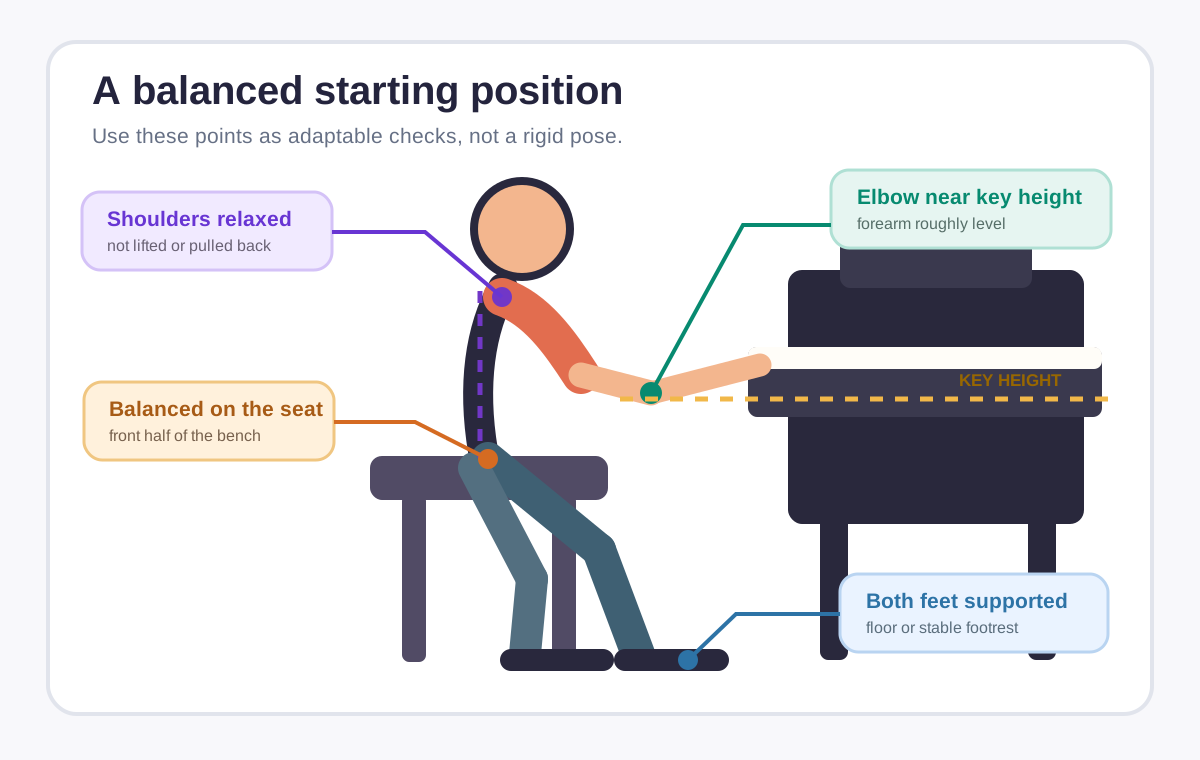
Use these four checkpoints:
- Feet supported: place both feet on the floor or a stable footrest.
- Balanced seat: sit tall toward the front half of the bench.
- Comfortable height: keep the forearms roughly level with the keyboard.
- Free arms: leave enough distance for the elbows to move without being trapped beside the body.
Exact positions vary with body proportions, the instrument, and the music. Comfort and freedom of movement matter more than matching a photograph perfectly.
How High Should A Piano Bench Be?
Adjust the bench so your elbows are around the height of the key surface and your forearms are approximately parallel to the floor when the hands rest on the keys.
If the bench is too low:
- the wrists may bend upward
- the shoulders may rise
- the arms may feel heavy or restricted
If the bench is too high:
- the wrists may collapse downward
- the shoulders may push toward the keys
- the fingers may feel crowded
An adjustable bench is useful, but a firm cushion can provide a temporary height adjustment. Avoid a soft cushion that makes the body unstable.
For a child whose feet do not reach the floor, use a stable footrest. Unsupported legs can make balanced sitting difficult.
How Far Should You Sit From The Piano?
Sit far enough away that the elbows remain slightly in front of the torso when the fingers rest near the middle of the keyboard.
You are probably too close if:
- the elbows are forced behind the body
- the wrists bend sharply
- the knees press against the underside of the instrument
You may be too far away if:
- the arms must stretch straight to reach the keys
- the shoulders move forward
- the torso leans toward the keyboard throughout the piece
Test the distance by placing both hands comfortably on the keys. Your elbows should have room to move sideways as the hands travel.
Where Should You Sit On The Bench?
Sit toward the front half of the bench rather than leaning against the back edge. Keep enough of the thighs supported to feel stable.
Place the bench near the centre of the keyboard for most beginner music. Do not slide the bench every time one hand moves a few notes. Instead, let the torso and arms move naturally toward the area being played.
For passages far from the centre, the body can lean or rotate slightly while staying balanced over the seat.
What Should The Back And Shoulders Do?
Sit tall without forcing the spine into a rigid position. Think of the head balancing over the torso while the shoulders rest away from the ears.
Avoid holding the chest high or pulling the shoulders backward. These corrections often replace one form of tension with another.
Before playing:
- inhale normally
- let the shoulders rise naturally
- exhale and allow them to settle
- keep breathing while you play
If the shoulders repeatedly rise, reduce the difficulty or tempo and check whether the bench is too low.
Correct Wrist And Forearm Position
The wrist should form a flexible connection between the forearm and hand. Start with a relatively neutral line rather than a wrist that is sharply raised, dropped, or bent sideways.
The wrist is not supposed to remain motionless. Small movements help the hand travel, shape phrases, and release tension.
Watch for:
- a wrist collapsing below the key surface
- a wrist held unusually high
- sideways bending when the hand moves
- a locked wrist that never responds to the phrase
Move the entire hand and forearm toward a new area instead of stretching individual fingers as far as possible.
How Should Your Hands Look On The Piano?
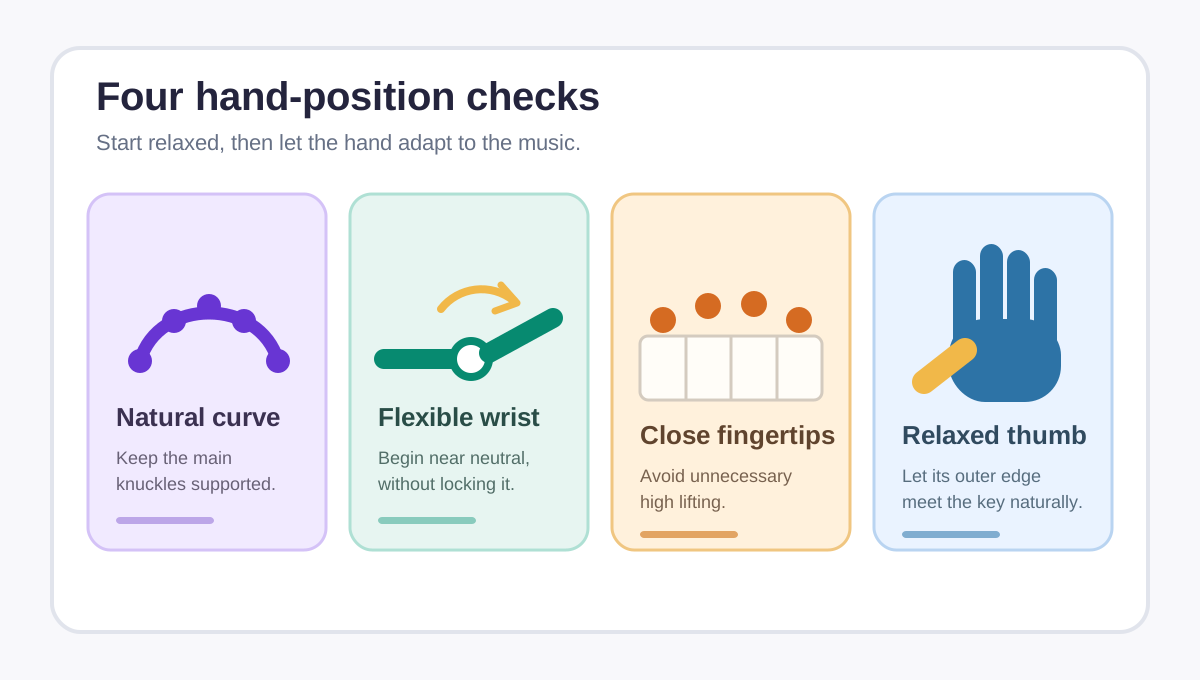
Let the hand keep a natural rounded shape, similar to how it hangs when the arm rests loosely at your side. The fingers should curve comfortably rather than being forced into identical arches.
Keep The Knuckles Supported
The main knuckles where the fingers meet the hand should not collapse inward. They form the upper curve of the hand.
Use The Fingertips Comfortably
Most white-key playing uses the padded fingertip area. Keep the fingers close enough to the keys that each note does not require a large downward swing.
Let The Thumb Rest Naturally
The thumb is shorter and approaches the keyboard from the side. Let its outer edge contact the key comfortably rather than trying to make it curve like the other fingers.
Avoid Forcing A Fixed Shape
The hand changes shape for chords, scales, black keys, and wide intervals. A rounded beginner position is a starting point, not a mould that the hand must hold in every situation.
A 60-Second Piano Setup Check
Use this check before practising:
- Bench: Is the height comfortable and stable?
- Feet: Are both feet supported?
- Distance: Can the elbows move freely in front of the body?
- Torso: Are you balanced without leaning permanently toward the keys?
- Shoulders: Can they rest away from the ears?
- Wrists: Are they flexible and close to neutral?
- Hands: Are the fingers naturally curved and close to the keys?
- Breathing: Are you breathing normally?
Then play a slow five-note pattern and check whether the setup still feels comfortable in motion.
The Piano Exercises for Beginners article includes a simple C-D-E-F-G pattern you can use for this test.
Good Posture Is Dynamic
Beginners sometimes try to protect their posture by refusing to move. Piano playing requires movement across a wide instrument.
As you play:
- let the elbows follow the hands
- allow the torso to lean slightly toward distant keys
- shift weight without losing balance
- release the wrist after effort
- return to a comfortable centre when possible
The goal is not to freeze in the starting position. The goal is to move from a balanced setup without creating unnecessary tension.
How To Check Your Own Piano Posture
A mirror or short video can reveal habits that are difficult to feel while playing.
Record ten to twenty seconds from the side and check:
- bench height
- sitting distance
- shoulder tension
- wrist alignment
- whether the head moves far forward
- whether the feet remain supported
Do not analyse every small movement. Choose one clear adjustment, test it, and notice whether playing becomes easier.
A qualified piano teacher can provide personalised feedback, especially when body proportions, an injury, or the instrument setup require adaptation.
What If Playing Causes Pain?
Concentration and unfamiliar movement may feel tiring, but piano playing should not cause persistent or sharp pain.
Stop and reset if you notice:
- pain in the fingers, wrist, forearm, shoulder, neck, or back
- numbness or tingling
- repeated cramping
- tension that remains after practice
Check the setup, shorten the session, and avoid forcing the movement. Persistent or recurring symptoms should be discussed with a qualified healthcare professional and, where possible, a teacher who can observe your technique.
Common Beginner Posture Mistakes
Sitting Too Close
This traps the elbows and encourages bent wrists. Move the bench back slightly and test the position again.
Sitting Too Low
This can make the shoulders rise and the wrists bend upward. Raise the bench or use a firm temporary support.
Raising The Shoulders During Difficult Sections
Reduce the tempo, exhale, and practise fewer notes. Difficulty should not be solved by lifting the shoulders.
Collapsing The Wrist
Pause and restore a more neutral line between the hand and forearm. Check whether the bench is too high.
Lifting The Fingers Too High
Keep the fingertips near the keys. Smaller movements are usually easier to control.
Forcing Every Finger Into The Same Curve
Finger lengths differ. Aim for a natural, supported hand rather than identical finger shapes.
Treating Posture As A Statue
Balanced piano technique includes movement. Allow the body, arms, and wrists to respond to the music.
Piano Posture For Adults And Children
Adult beginners may practise at a dining chair, office chair, or fixed-height stool. Remove armrests from the playing area and adjust the seat height where possible. A stable setup is more important than specialised furniture at the beginning.
Children often need both a higher seat and a footrest. Recheck the setup as the child grows. Give one instruction at a time, such as feet supported or shoulders relaxed, instead of correcting every body part simultaneously.
Parents can take a side-view photo occasionally to check whether the bench remains suitable, but posture should not become a source of constant criticism.
tonestro provides guided piano exercises and songs with immediate feedback on notes and rhythm. Before starting a session, use the setup checklist above so technical feedback is paired with comfortable movement at the instrument.
Related Reading
- How to Learn Piano for Beginners
- Piano Exercises for Beginners
- How to Play Piano With Both Hands
- 15-Minute Piano Practice Routine for Beginners
- Piano Scales for Beginners
- Piano Chords for Beginners
FAQ
What is the correct posture for playing piano?
Sit in a balanced position with supported feet, relaxed shoulders, free elbows, flexible wrists, and naturally curved fingers. Adjust the bench so the forearms are roughly level with the keyboard.
How high should a piano bench be?
The bench should place the elbows around key height with the forearms approximately parallel to the floor. Adjust for the player’s body proportions rather than relying on one fixed measurement.
How far should I sit from the piano?
Sit far enough away that the elbows remain slightly in front of the torso and can move freely. Avoid stretching straight arms toward the keys or trapping the elbows behind the body.
Should piano wrists be high or low?
Start with the wrists relatively neutral and in line with the forearms. They should remain flexible rather than being held rigidly high or allowed to collapse below the keys.
Should piano fingers always be curved?
The fingers should usually maintain a natural curve, but the exact shape changes with chords, black keys, wide intervals, and movement across the keyboard. Do not force every finger into the same arch.
Should both feet be flat while playing piano?
Both feet should be supported for stability. Use a footrest for children or shorter players whose feet do not comfortably reach the floor.
Can poor piano posture cause pain?
An awkward setup and unnecessary tension can contribute to discomfort. Stop if playing causes pain, adjust the setup, and seek qualified professional advice if symptoms persist.
Last updated