
Your breath sets air vibrating inside a wind instrument. Woodwinds use an air edge or a vibrating reed, while brass instruments use the player’s vibrating lips. That explains one surprising family member: the metal saxophone belongs with the woodwinds.
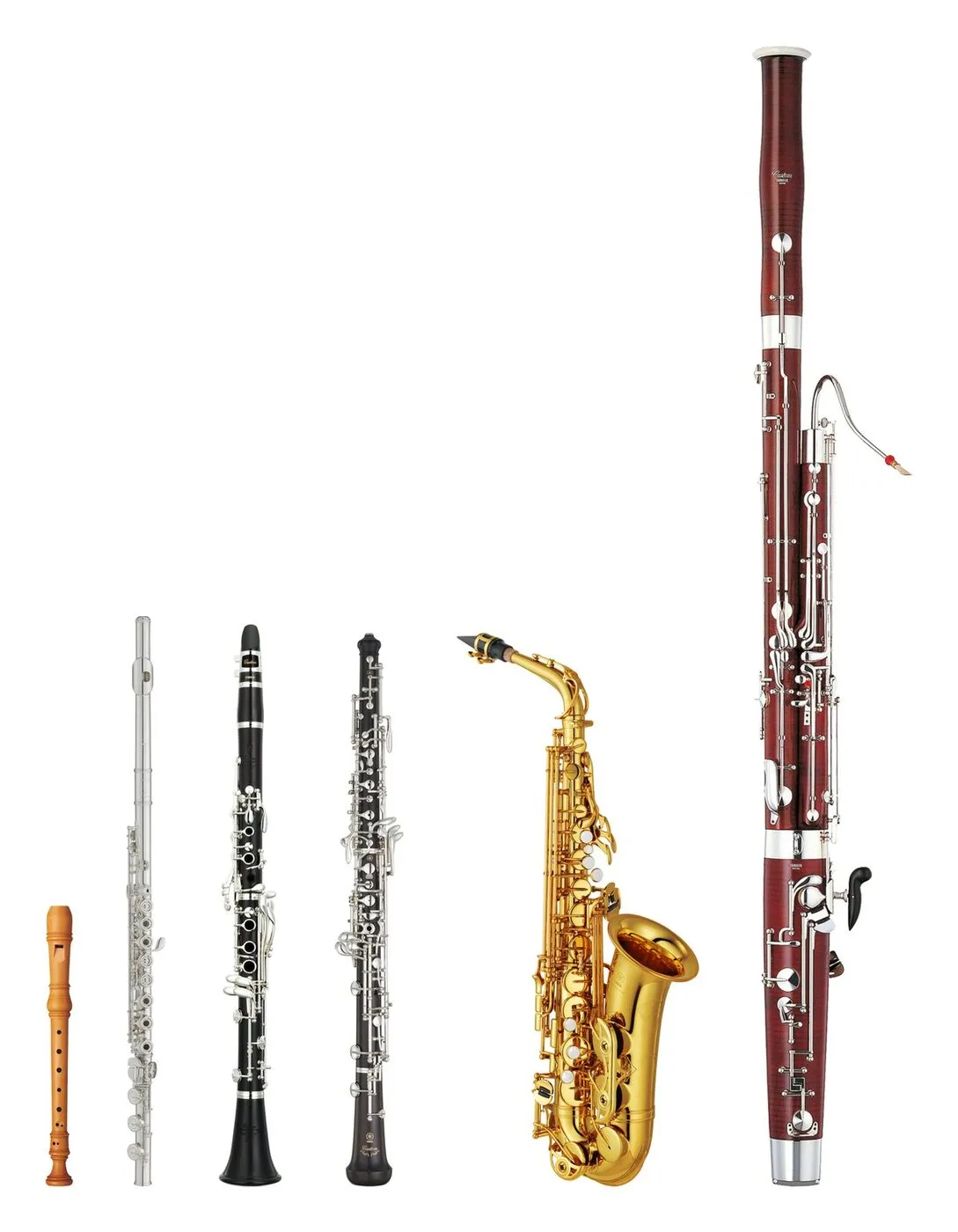


Woodwind vs. brass: how to tell them apart
Look at what starts the vibration. A reed is a thin strip that vibrates when air passes it; a double reed uses two pieces of cane vibrating against each other. A flute needs neither.
| Family | How the sound starts | Examples |
|---|---|---|
| Woodwind: flute type | Air meets an edge, directly or through a built-in channel | Recorder, flute, piccolo |
| Woodwind: single reed | A reed attached to a mouthpiece vibrates | Clarinet, saxophone |
| Woodwind: double reed | Two pieces of cane vibrate against each other | Oboe, bassoon |
| Brass | The player’s lips vibrate into a mouthpiece | Trumpet, horn, trombone, euphonium, tuba |
These families are especially useful for understanding orchestras and bands. Wind instruments from around the world also include designs that need a more specific description, such as the harmonica’s free reeds.
Here are the quick answers to the names that cause the most confusion:
- Is a trumpet a wind instrument? Yes. It belongs to the brass family, alongside the trombone and tuba.
- Is a trumpet a woodwind? No. Its sound starts with vibrating lips, rather than a reed or air meeting an edge.
- Is a saxophone a woodwind? Yes. Its single reed makes it a woodwind, even though its body is usually brass.
- Is a flute a woodwind? Yes. Woodwinds include flutes as well as reed instruments; a metal body changes neither its family nor its sound-producing principle.
- What are instruments you blow into called? Wind instruments. The technical term is aerophones, which also covers instruments fed by bellows, like the accordion.
Wind instruments list: names, sounds and examples
Use this list to connect a name with the sound or setting you have in mind. The sound descriptions give you a starting point for listening: the player and the music can change an instrument’s character considerably.
| Instrument | Family or type | Sound to listen for | Where you hear it |
|---|---|---|---|
| Recorder | Woodwind, flute type | Clear, gentle whistle | Early music, recorder groups |
| Flute | Woodwind, flute type | Airy low notes, bright high notes | Orchestras, concert bands |
| Piccolo | Woodwind, flute type | Very high, penetrating | Orchestras, marching bands |
| Clarinet | Woodwind, single reed | Rounded low notes, ringing upper notes | Orchestras, jazz, klezmer |
| Saxophone | Woodwind, single reed | A flexible, vocal quality | Jazz, pop, concert bands |
| Oboe | Woodwind, double reed | Focused, reedy tone | Orchestras, chamber music |
| Bassoon | Woodwind, double reed | Low, woody voice | Orchestras, concert bands |
| Contrabassoon | Woodwind, double reed | Very deep bass | Orchestras |
| Trumpet | Brass | Bright, direct tone | Jazz, orchestras, bands |
| Cornet | Brass | Mellower than a trumpet | Brass bands, concert bands |
| Flugelhorn | Brass | Dark, mellow tone | Jazz |
| Horn, also called French horn | Brass | Rounded, blending tone | Orchestras, chamber groups |
| Trombone | Brass | Broad tone and sliding pitch | Jazz, orchestras, brass bands |
| Euphonium | Brass | Full tenor and baritone voice | Brass bands, concert bands |
| Baritone horn | Brass | A different tenor color from euphonium | Brass bands, concert bands |
| Tuba | Brass | Deep bass foundation | Orchestras, bands, brass quintets |
| Sousaphone | Brass, tuba family | Tuba bass with a forward-facing bell | Marching bands, New Orleans brass bands |
| Harmonica | Free reed | Reedy melody or chords | Blues, folk, country |
| Bagpipes | Woodwind, reed pipes | Melody over sustained drones | Pipe bands, solo traditions |
| Didgeridoo | Lip-vibrated aerophone | Continuous drone | Aboriginal Australian musical traditions |
| Alphorn | Lip-vibrated aerophone | Natural horn tones | Alpine music |
| Ocarina | Woodwind, vessel flute | Whistle-like tone | Solo melodies |
| Pan flute | Woodwind, flute type | Breath-shaped notes from separate pipes | Traditional music, including South American traditions |
Woodwind instruments, with pictures
Recorder
The recorder’s mouthpiece has a built-in channel that directs your breath toward an edge, making a first sound relatively straightforward. Its clear tone belongs in Renaissance and Baroque music as well as today’s amateur recorder groups. You change notes using a thumb hole and seven finger holes. For beginners, more breath is not always better: too much pressure pushes the pitch sharp. If that familiar school instrument is waiting in a drawer, our recorder page is a place to start playing it again.
Flute and piccolo
You hold the concert flute sideways and blow across an opening in its head joint. Your lips direct air across an edge instead of into a reed. The sound can move from an airy lower voice to a bright upper one, heard in orchestras, concert bands and sometimes jazz. Theobald Boehm’s 1847 design, with its cylindrical tube and reshaped head joint, is essentially the concert flute we play today.
When you start learning flute, shaping that stream of air is part of the work from the beginning. The smaller piccolo uses the same basic principle and sounds an octave above the concert flute. It adds the highest woodwind voice to orchestras and marching bands.
Clarinet
A single reed vibrates against the clarinet’s mouthpiece, feeding a nearly cylindrical tube. The B♭ clarinet is the most common member of the family. Developed around 1700 in Nuremberg, the clarinet is traditionally credited to Johann Christoph Denner, though the attribution is uncertain.
Its rounded low voice and brighter upper notes give it room in orchestras, concert bands, jazz and klezmer. For a memorable example, listen to the opening of Gershwin’s “Rhapsody in Blue.” Your mouthpiece position matters when learning clarinet: too little in the mouth can prevent a sound, while too much can distort it. Later, the register key helps you reach higher notes, with a jump of a twelfth rather than the saxophone’s octave.
Saxophone
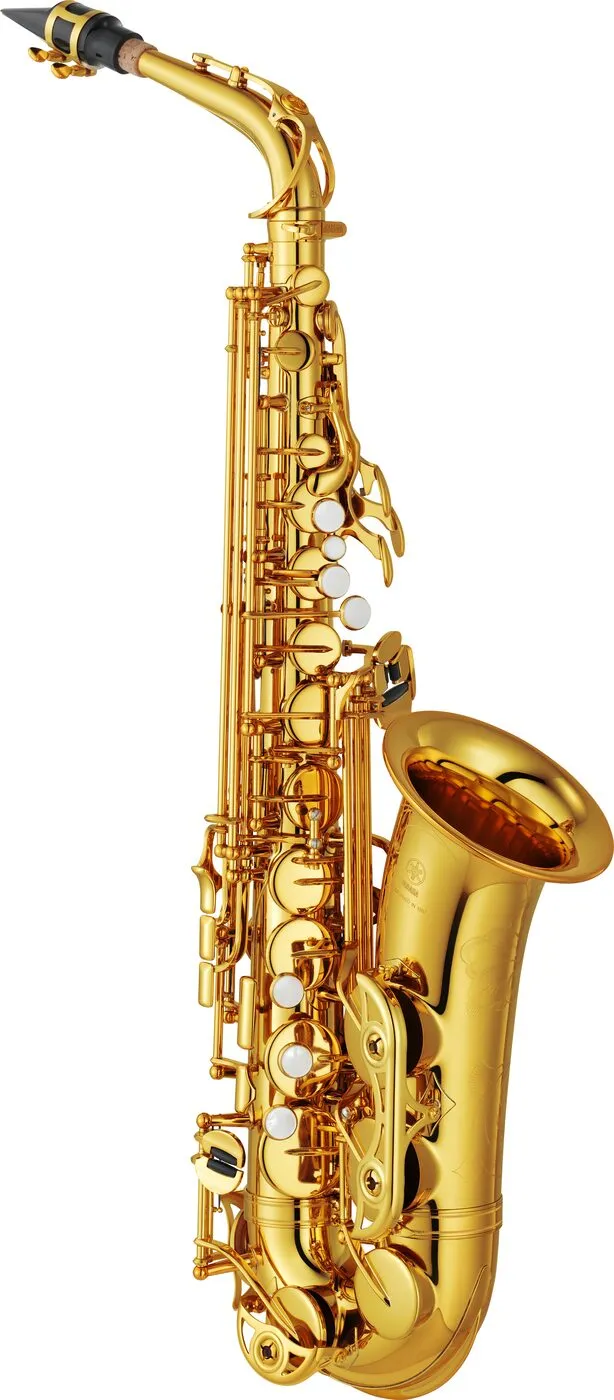
The saxophone’s reed starts the sound, while padded keys open and close holes to change pitch. Belgian instrument maker Adolphe Sax invented it in the early 1840s and patented it in Paris in 1846. Its voice can feel close to a singer’s, which makes it an appealing choice if a jazz melody or pop solo is what you want to play.
You also hear saxophones in concert bands and classical chamber music, though they are not regular members of the standard orchestra. Soprano, alto, tenor and baritone are the most used sizes. A helpful feature when learning saxophone is that the octave key supports a higher register with the same basic fingerings.
Oboe
Blow through the oboe’s double reed and its two pieces of cane vibrate together, giving it a focused, distinctly reedy voice. It is especially at home in orchestras and chamber music, and the first oboe supplies the concert A used to tune an orchestra. Getting the first sound can take patience; controlling it comes afterward. Beginners usually buy reeds, while experienced players often make their own. Our advice is to seek help with the reed and mouth position early, so you have someone to troubleshoot alongside you.
Bassoon
The bassoon also uses a double reed, but its long tube gives it a tenor and bass voice. You hear its woody low sound in orchestras, concert bands and chamber groups. Although it stands about 1.34 m (4 ft 5 in) tall, its sounding tube is about 2.54 m (8 ft 4 in) long because it folds back on itself. Players usually support it with a seat strap rather than asking their hands to carry its weight. Complex fingering and access to suitable reeds make a teacher particularly helpful when you start.
Brass instruments, with pictures
Brass playing begins with vibrating lips. Your embouchure, the way you position and use your lips around the mouthpiece, works with airflow to select a note. Valves or a slide change the available tube length, giving you access to different pitches.
Trumpet, cornet and flugelhorn
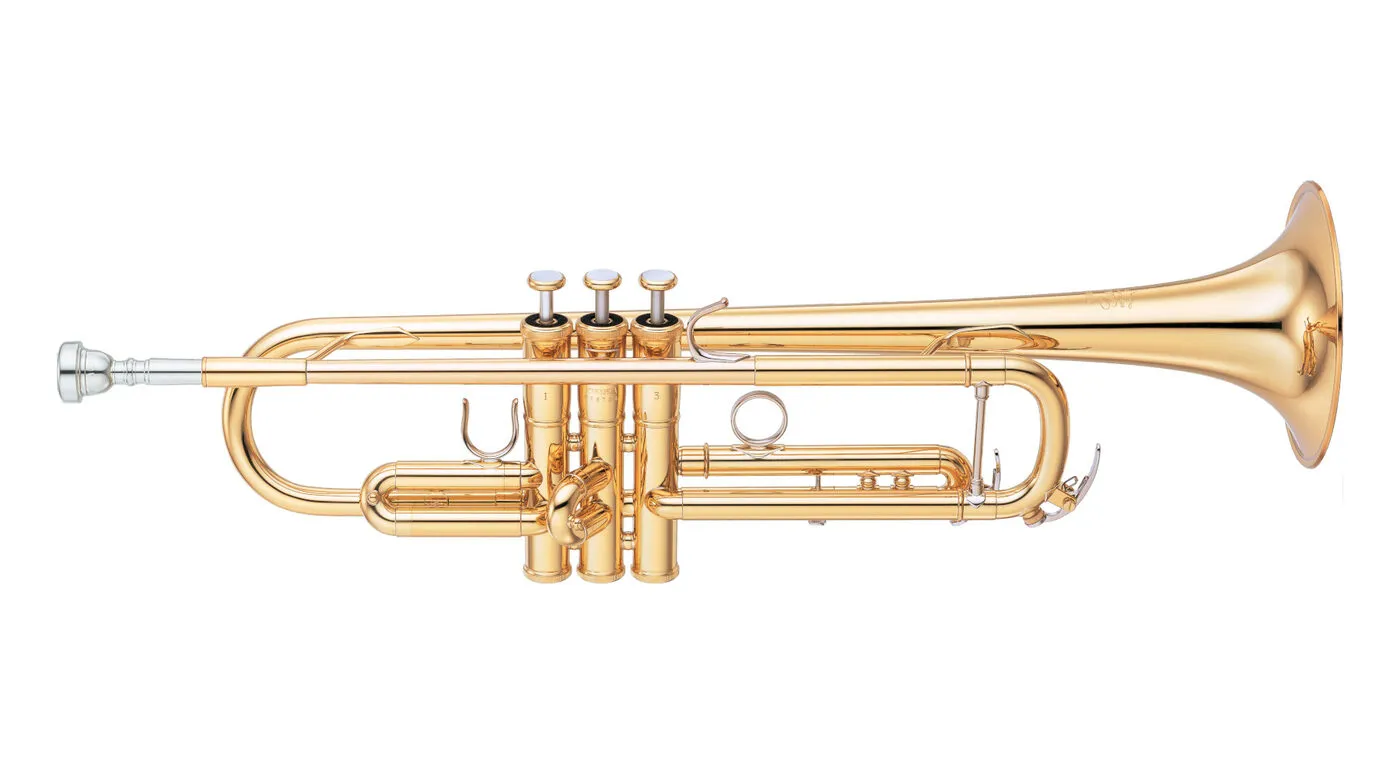

The trumpet’s bright voice begins with your lips vibrating against a cup-shaped mouthpiece. Its valves send air through extra tubing, while your lips and airflow also help determine which note sounds. You hear it in jazz, orchestras and bands, making it a versatile direction for an adult with several musical interests. When you start playing trumpet, producing a steady buzz matters before fast valve work.
The cornet has a more compact shape and a mellower tone, particularly familiar in brass bands. The flugelhorn has a wider conical bore, meaning an expanding internal tube, and a darker sound associated with jazz; our guide to trumpet types explains these relatives in more detail.
Horn, or French horn
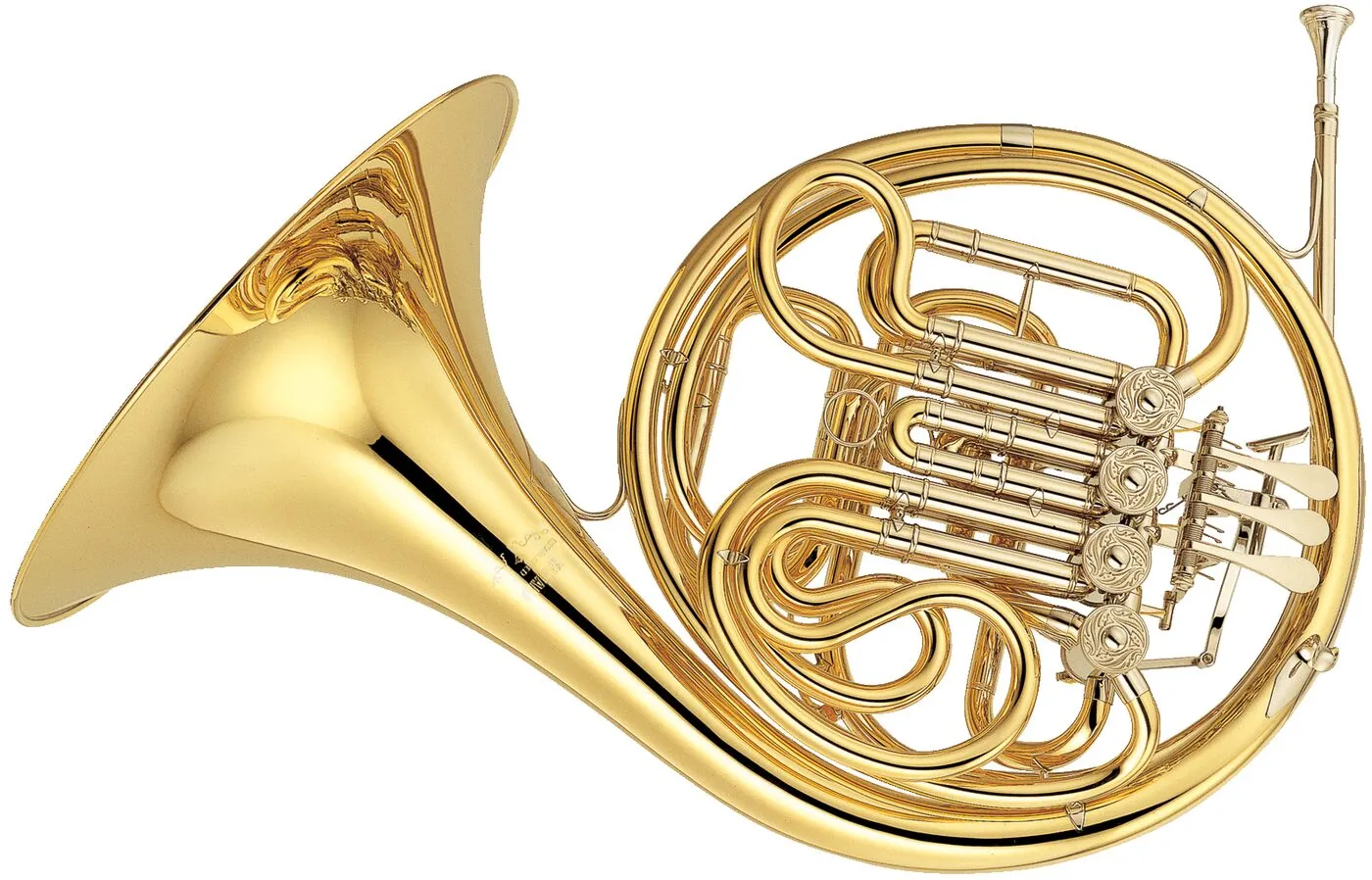

The horn makes sound through lip vibration, with its tubing coiled into a circle. The name “French horn” comes from the circular hunting horns made in France in the 17th century; the International Horn Society prefers simply “horn.”
Its rounded voice is especially familiar in orchestras and concert bands, and it belongs in both wind and brass chamber groups. The left hand operates the valves while the right hand sits inside the bell, helping control pitch and tone. Beginners should know that neighboring high notes can lie close together, so finding the intended note takes careful listening. If you already have a horn, explore playing horn with tonestro, where you can play songs while the app listens.
Trombone
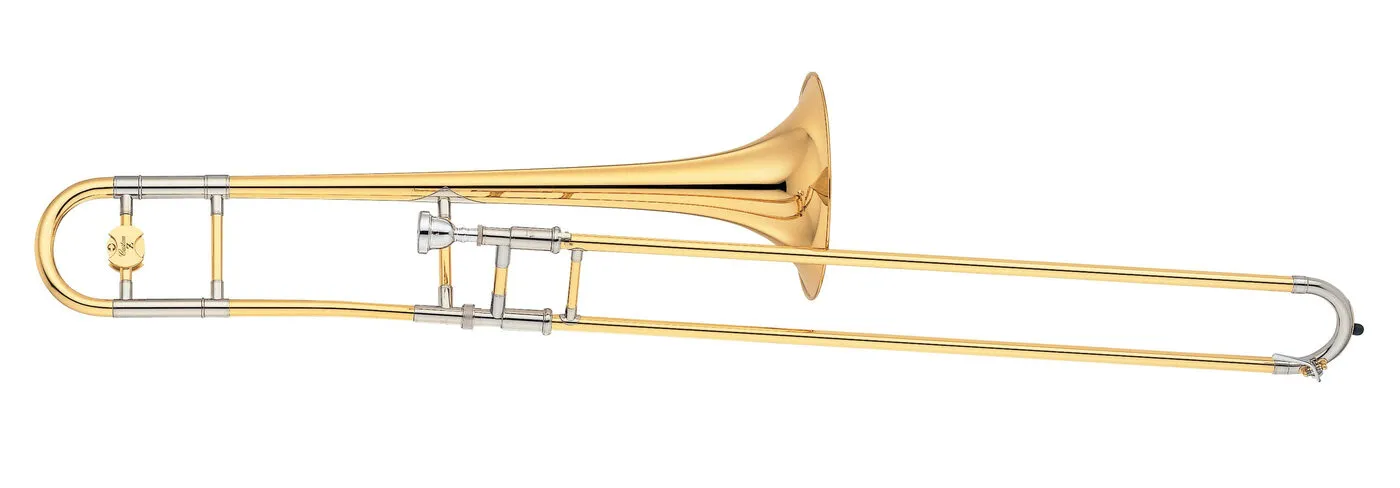

Like the trumpet, the trombone starts with vibrating lips in a cup mouthpiece. Most trombones change pitch with a slide, giving their broad brass voice the ability to move smoothly between notes. The instrument dates to the 15th century as the sackbut, and its Italian name means “large trumpet.”
You hear trombones in orchestras, jazz big bands, brass bands and salsa. The slide has seven standard positions, each successive outward position lowering the pitch by a semitone. There are no marked stops for most slide positions, so your ear helps your arm find the right place. That close connection between listening and movement is worth knowing before you start learning trombone.
Euphonium and baritone horn
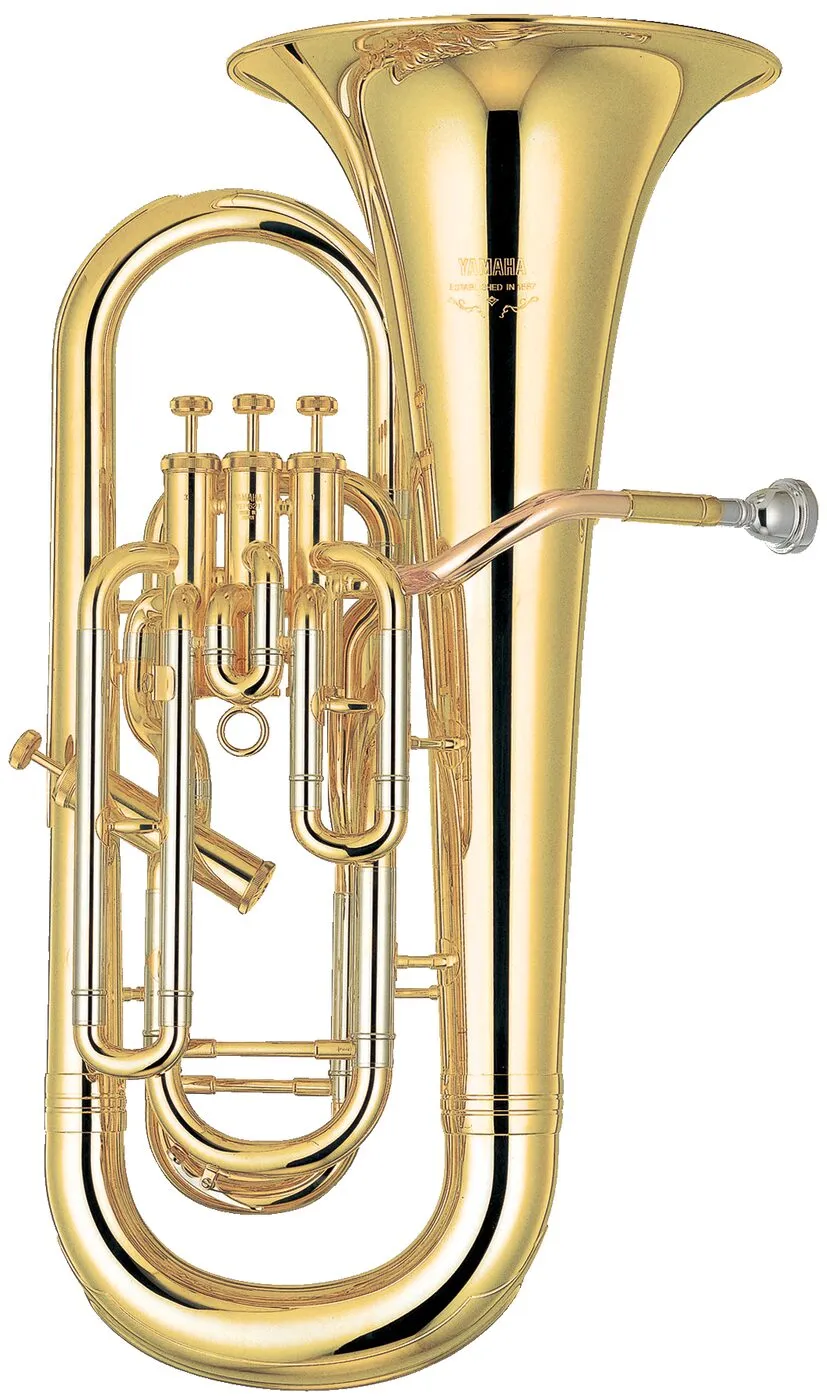

The euphonium is a valved brass instrument with a full tenor and baritone voice. Developed in 1843 by Sommer of Weimar, it takes its name from the Greek “euphonos,” meaning “sweet-voiced.” Your lips start the vibration, and its wide conical bore helps shape the sound heard in brass and concert bands.
The baritone horn shares its range but has a narrower bore and smaller bell, though in the US the two names are often used for the same instrument. Before choosing music, check which notation your group uses: euphonium parts may be in bass clef or transposing treble clef. On our euphonium page, you can explore playing songs with tonestro listening to your notes and rhythm.
Tuba and sousaphone
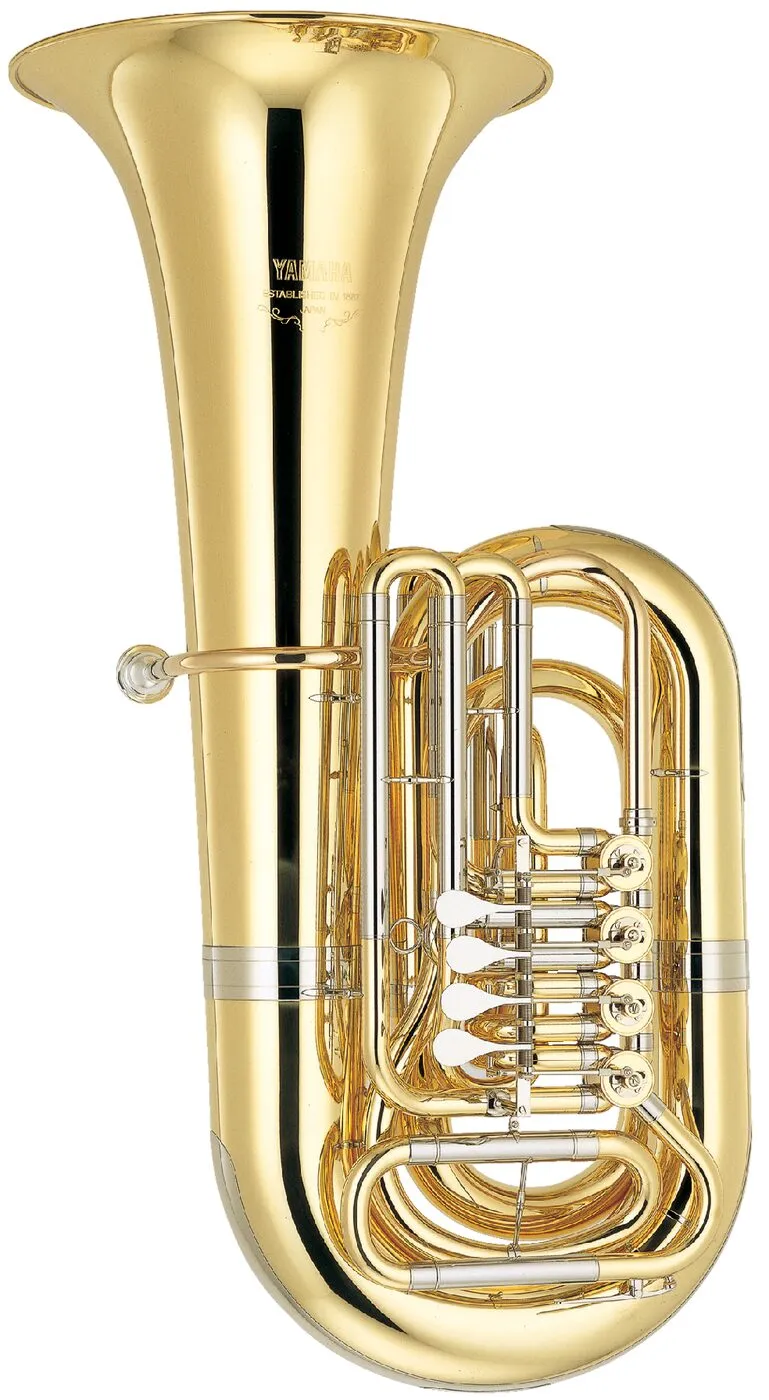
Your vibrating lips, the tuba’s long tubing and its wide bore produce the deep bass foundation beneath an orchestra or band. Wilhelm Friedrich Wieprecht and Johann Gottfried Moritz patented the bass tuba in Berlin in 1835. It also belongs in brass quintets and appears in jazz.
Size is a practical consideration for beginners, so we would try holding an instrument before choosing it. For playing at home, our tuba page introduces songs you can play while tonestro listens. The sousaphone is a tuba-family instrument wrapped around the player’s body, with a large forward-facing bell, especially familiar in marching bands and New Orleans brass bands.
Other wind instruments worth knowing
Harmonica: Small metal reeds vibrate as you blow or draw air through the instrument. This free-reed design gives you both directions of breath to work with, and it is heard in blues, folk and country music.
Bagpipes: A bag supplies air to enclosed reeds, feeding a melody pipe and usually drones that sustain accompanying notes. Some types use bellows rather than a blowpipe; beginners can practice fingering on a separate practice chanter.
Didgeridoo: Developed by Aboriginal peoples of northern Australia, it uses vibrating lips to create a continuous drone. That puts it with lip-vibrated aerophones by sound production, even though traditional instruments are wooden.
Alphorn: This long wooden horn has no valves or finger holes. The player uses lip vibration to select notes from its natural harmonic series, the pitches available from the tube itself.
Ocarina: A vessel flute has an enclosed chamber rather than the flute’s long tube. On the ocarina, opening finger holes changes the relationship between the openings and that enclosed volume, changing pitch.
Pan flute: A row of pipes replaces the usual finger holes and keys. You blow across their tops, moving between pipes of different lengths to play different notes.
The biggest (and smallest) wind instruments
If you are trying to identify a large wind instrument, start with its shape. A big coiled brass instrument held in front of the player is likely a tuba; one wrapped around the body with a bell overhead is a sousaphone. A very long, mostly straight wooden horn may be an alphorn.
“Biggest” can mean height, weight or total tubing length. These examples show why the distinction matters:
- B♭ contrabass tuba: Its nominal tube length is 18 ft, about 5.5 m, folded into a much more manageable shape.
- Contrabassoon: This larger bassoon sounds an octave lower. The Vienna Symphonic Library describes about 5.5 m (18 ft) of tubing for its standard configuration, folded into an instrument about 1.35 m (4 ft 5 in) high.
- Alphorn: A typical instrument is about 3 to 4 m (10 to 13 ft) long, with much of that length extending away from the player.
At the small end, a piccolo measures about 31 to 33 cm (12 to 13 in) and supplies the highest woodwind voice in an orchestra. A garklein recorder is smaller still, at about 16 to 18 cm (6 to 7 in). Its closely spaced holes can make fingering awkward, so tiny does not automatically mean beginner-friendly.
Which wind instrument should you learn?
Our view: start with the sound you want to make and the people you want to play with. An instrument that makes you want to open its case has a useful advantage over one chosen only for supposed ease.
| Your musical goal | Where we would start looking | What to consider |
|---|---|---|
| Join a community band | Clarinet, flute, saxophone, trumpet, trombone, euphonium or tuba | Ask the director about the ensemble and try holding your preferred instrument. |
| Play jazz | Saxophone, trumpet, clarinet or trombone | Listen for the voice you want: a saxophone melody, trumpet lead or sliding trombone phrase. |
| Play in an orchestra | Flute, clarinet, oboe, bassoon, horn, trumpet, trombone or tuba | Ask about beginner groups and teaching support, especially for double reeds. |
| Play at church | Ask the music leader which parts are needed | Many church groups have a particular part to fill; choose with that in mind. |
| Play alone at home | Recorder or harmonica for a compact starting point; any instrument whose sound you love | Think about a comfortable place to play and the help you want between sessions. |
For a closer look at first sounds, coordination and choosing something you will keep playing, see our guide to the easiest instruments to learn.
Questions about choosing a wind instrument
What is the easiest wind instrument to learn?
For producing a first sound, the recorder is an approachable choice because its built-in channel directs the air. That does not make advanced recorder playing easy, or make it the right choice for every adult. If you want to play jazz saxophone, we would give that preference more weight than a general difficulty ranking.
How many wind instruments are there?
There is no single useful total without defining what counts. Instrument families contain different sizes and variants, and traditions around the world use many additional designs. Woodwind and brass are broad family names, not a complete count of instruments.
Can I start if I cannot read music?
Yes. Adult beginner ensembles exist for people who do not yet read music. Ask what a local group expects, or learn the basics alongside your first notes with our guide to reading music.
Put your own instrument to work
If your instrument is already at home, you have somewhere to begin. tonestro is the music school that listens, supporting nine wind instruments: soprano recorder, flute, clarinet, saxophone, B♭ trumpet, trombone, horn, euphonium and tuba.
You play your own instrument, and tonestro listens through the microphone, showing whether each note is right and in time. Try a phrase, see where it slipped, then play it again. Courses created by music teachers guide recorder, flute, clarinet, saxophone, trumpet and trombone players from their first notes; on horn, euphonium and tuba, you can play songs while tonestro listens.
Your first song in ten minutes: you play one or two notes along with a real song and its band, and full speed comes later. Use a mirror or a short video of yourself to check your hands and embouchure. Choose your instrument and give that first phrase a try.